WHEN RELAXING ACTUALLY MAKES YOU FEEL WORSE
You know that feeling when you've been "relaxing" for two hours but somehow feel worse than before?
The Netflix binge that leaves you hollow. The endless scroll that steals your evening. That third glass of wine that was supposed to help you unwind but just made everything foggy.
Yeah. We've all been there. 🙋🏼♀️
But here's the question worth asking: Are you actually relaxing... or are you just numbing out?
Numbing for me feels like completely leaving my body—here but not really here at all. Physically present but mentally and emotionally checked out, like I'm watching my own life from the ceiling. It's a disassociated state that shuts down all my senses except the one focused on whatever I'm consuming (and even then, it's questionable what I'm retaining).
And here's the really tricky part: numbing often feels good at first. Indulgent, even a bit rebellious. That's kind of the whole point, right? We're disconnecting from to-do lists, other people's needs, whatever we're worried about or bothered by, whatever's demanding our attention.
But here's the thing—when we numb out what we don't want to feel, we also numb out the good stuff too, like joy, connection, and aliveness.
Then we cross this threshold, and suddenly we don't feel good anymore. We feel like a sloth—sluggish, disconnected, empty. And as if that's not enough, sometimes those old thought patterns start creeping back in. You know, the sabotaging stories that really don't serve us.
The usual numbing suspects? Endless social media scrolling, binge-watching shows for hours, drinking more than we meant to, mindless online shopping sprees—pretty much anything we can overconsume.
But here's what I want you to hear: these things aren't inherently bad. It's really about how and why we're using them.
So, how do you know when you've crossed the line?
This is the challenging part about numbing—it's unconscious by definition. You're not feeling, so you often don't realize you're doing it until you've already crossed that threshold.
The signs you've tipped over?
You know cognitively that what you're doing won't make you feel better,but you just can't seem to stop.
And then afterward? You feel worse than when you started.
Want a simple tool to become more aware of this? Try "bookending" your screen time (or whatever activity you think might be numbing you).
At the beginning:Before you pick up your phone or turn on the TV, just pause for a second. Check in with yourself.How long do I actually want to do this? What's my intention?Give yourself a realistic time frame—maybe 20 minutes, maybe an hour—and commit to honoring it.
At the end:When you're done (whether you stuck to your time or not), check in again.How do I feel? Lower energy? Spinning out in those old thought patterns? Or do I actually feel satisfied and ready to move on?
This practice can be so helpful in figuring out your own threshold—that tipping point where something stops being restorative and starts draining you instead.
So what does nourishment actually feel like?
Nourishment is the opposite of numbing. It's when energy moves through you instead of getting stuck. Your senses come back online. You start noticing things around you. You can access joy, connection, presence.
When you're being nourished, there's this sense of expansion—like suddenly there's more white space, more breathing room in your life. Things feel like they're flowing, like water moving down a river, finding its way without force.
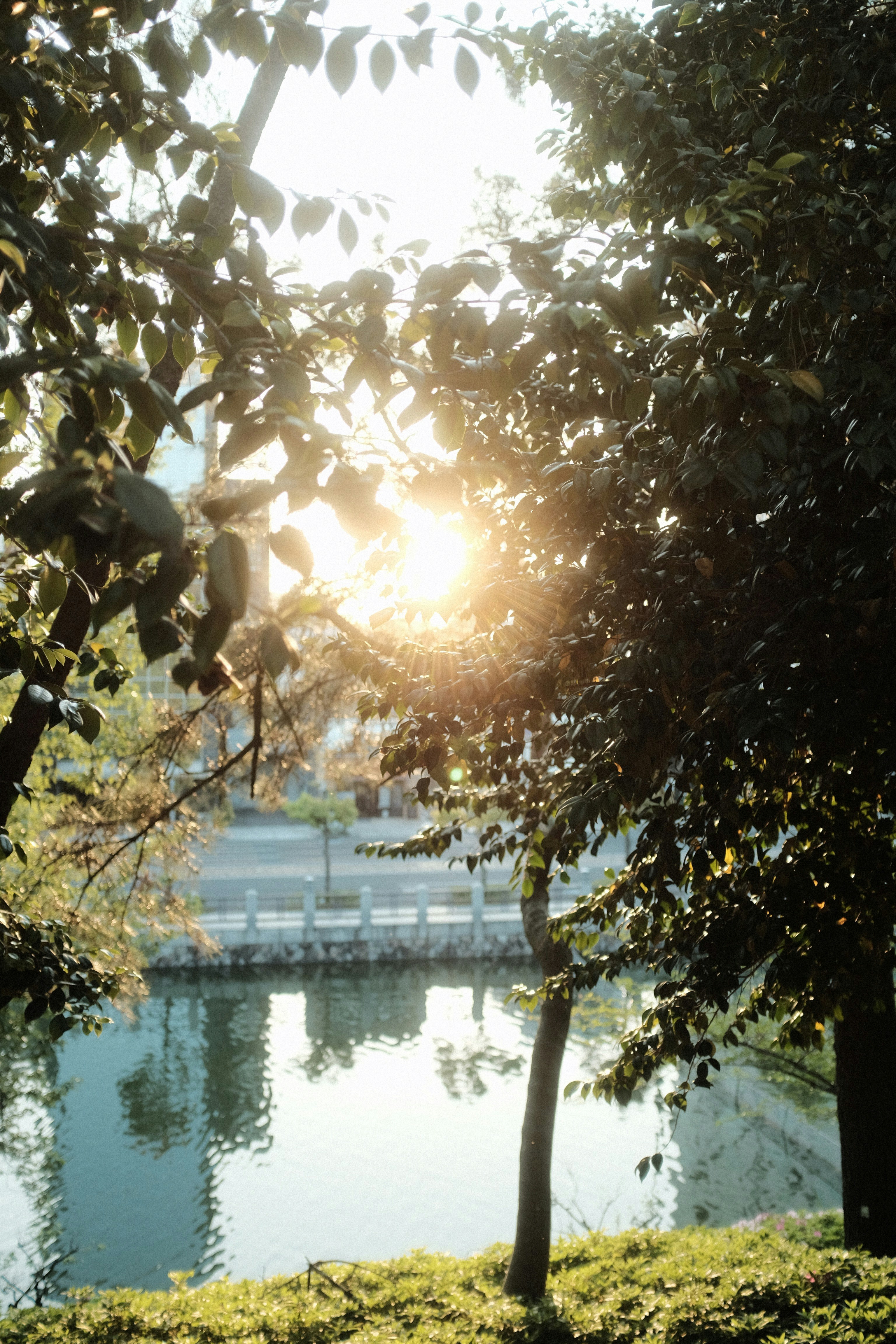
You feel alive. Your senses wake up—you're noticing textures, sounds, the quality of light. You feel connected to yourself, to others, to right now. There's a shift that feels lighter, more open.
What might that look like in practice?
Maybe it's getting outside in nature, even for just two minutes. Connecting with someone who actually adds to your energy instead of draining it. Moving your body in ways that feel gentle and good, not punishing. Reading something that engages you without feeling like homework. Creating calm space around you—lighting a candle, tidying up a bit, turning on soft lights.
Or maybe it's as simple as taking your shoes off and feeling your feet on the ground. Standing in the sunshine. Sitting in solitude and quiet.
Notice these don't have to be grand gestures. Sometimes the most nourishing things areincredibly simple.
Your threshold—for when something tips from nourishing to numbing—is yours alone. What works for your friend, your partner, your sister? That might not work for you. And honestly, what nourished you in your twenties might not nourish you in this season of your life.
I hear this from so many people—as they get older, they need more quiet. More solitude. More gentle movement. The loud, busy, constant stimulation that used to feel energizing? Now it just feels draining. And that's not wrong. That's actually growth and self-awareness.
If you're feeling stuck and unsure of what nourishes you, start with your senses (this is a body practice, not a thinking practice!).
Ask yourself:
What do I want to see right now? Maybe it's soft lighting, trees, open sky.
What do I want to hear? Silence? Rain? Music? Laughter?
What do I want to touch—cool grass, warm water, soft fabric?
What do I want to smell? Coffee, rain, candles?
What do I want to taste? Something fresh or something warm?
Drop out of your head and into your body. Set a timer if you need to—even just two minutes of standing outside, feeling the sun on your face, can shifteverything.
This week, if you're curious, just notice. When you reach for something, you might gently ask yourself:Am I numbing or nourishing?
There's no judgment here, no right or wrong answer—just curiosity. Sometimes we need to numb a little, and that's okay too. But the more aware we become, the more we can choose what actually serves us in that moment.
And from that awareness? We get to build a life that feels more alive, more spacious, more likeours.
I'm curious—what nourishes you?Reply here and let me know—I'm always looking to add to my own list!
As always,stay open, brave, and on-purpose.
